
Ayahuasca has moved from an obscure Amazonian tradition into mainstream conversations about healing, spirituality, and personal transformation. As interest grows, so does the number of retreat centers and self-described shamans offering ceremonies around the world. This also makes it harder for newcomers to recognize what is authentic, safe, and responsibly facilitated.
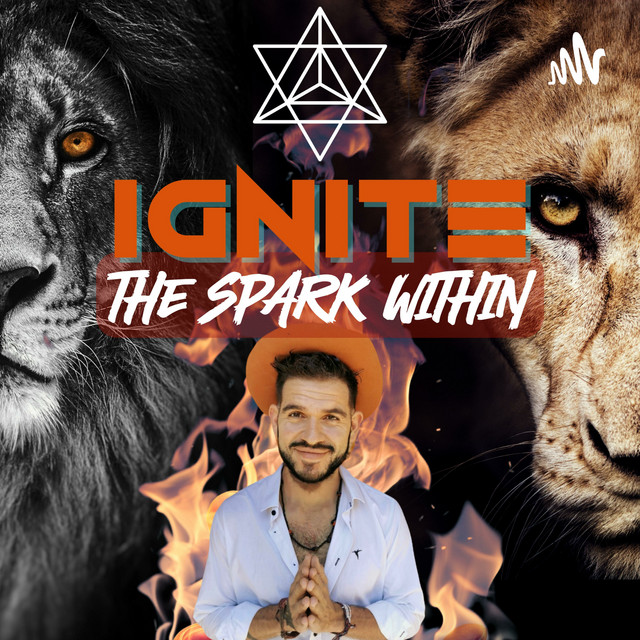
In a conversation on the Ignite the Spark Within podcast, LaWayra founder Sam Believ discussed the differences between ayahuasca traditions, the warning signs people should notice when choosing a retreat, and how his own search for healing unexpectedly led him to build a retreat center in Colombia.
Ayahuasca and Yagé: Related Traditions
One common misunderstanding is that ayahuasca and Colombian yagé are completely different medicines. Both preparations use the ayahuasca vine together with a DMT-containing plant. The main botanical difference is usually the source of DMT. Peruvian traditions commonly use chacruna, while Colombian traditions often use chagropanga or chaliponga.
The ceremonies can also feel different because each indigenous lineage has its own music, rituals, and preparation methods. Colombian ceremonies often include a continuously burning fire, while some Peruvian traditions work in complete darkness. Neither approach is automatically superior. They are different expressions of traditions that developed across the Amazon before modern borders existed.
The Strongest Sign of Authenticity
For Sam, one of the clearest signs of authenticity is a direct connection between the ceremonial leader and the medicine being served. Ideally, the shaman or their family should grow, harvest, prepare, and serve their own ayahuasca.
When medicine passes through several unknown hands, participants may not know what it contains or how it was prepared. In established lineages, cultivation, cooking, ceremony, and healing are not separate businesses. They are parts of the same lifelong practice.
Why Experience and Lineage Matter
Another warning sign is a facilitator who claims ceremonial authority after only a short period of training. Sam compares a genuine healer to a surgeon for the soul. Even if outsiders do not fully understand the work, it requires years of observation, discipline, and responsibility.
Traditional healers may train for a decade or longer under parents, grandparents, or community elders. A short certificate cannot replace that depth of experience.
This does not mean every indigenous healer is automatically trustworthy or that no outsider can learn responsibly. It means participants should investigate how long the leader has trained, who taught them, and whether they are accountable to tradition.
Facilitation Is More Than Serving Medicine
A safe retreat also needs enough trained facilitators to support the group. Participants can become physically and emotionally vulnerable during ceremony, so the team must be able to notice distress, provide grounding, and prevent someone from being abandoned during an overwhelming process.
Preparation and integration are equally important. A responsible retreat should explain medication restrictions, dietary guidance, what may happen during ceremony, and how to navigate difficult moments. Afterward, participants need time to reflect, share, journal, and turn insights into practical changes.
A retreat that simply serves the medicine and sends people home is leaving out much of the work.
Pure Medicine and Realistic Expectations
Sam also warns against brews containing unnecessary psychoactive additives. Some providers add other plants because visitors expect dramatic visions and may judge the medicine as weak without an immediate spectacle.
Stronger is not always better. Overwhelming visions are not the same as healing, and added ingredients can introduce serious physical or psychological risks. Traditional ayahuasca prepared from the core plants is already powerful.
Participants should also question anyone promising guaranteed enlightenment, instant healing, or a completely pleasant experience. Ayahuasca can be beautiful, but it can also involve fear, purging, grief, difficult memories, and emotional confrontation.
From Directionlessness to Purpose
Sam’s own path began during a period of depression and uncertainty. After leaving a well-paid engineering career, traveling, and settling in Colombia, he found himself with freedom but no clear purpose. Ayahuasca initially offered relief, then gradually helped him recognize that his lack of direction was central to his unhappiness.
The retreat did not begin as a formal business plan. Unexpected opportunities brought ceremonies to the countryside property where he lived. After an early partnership failed, he realized he already had the equipment, relationships, and motivation needed to continue. What began as one ceremony per month gradually grew into LaWayra.
Respect Without Romanticizing
The central lesson is not that there is only one correct ayahuasca tradition. The Amazon contains many tribes, recipes, ceremonial styles, and ways of understanding the medicine.
What matters is respect, experience, transparency, and responsibility. An authentic retreat should know where its medicine comes from, work with properly trained ceremonial leaders, provide strong participant support, and treat integration as part of the healing process.
Ayahuasca may open a door, but the quality of the people holding that door matters enormously.
Listen to the whole podcast episode here: https://open.spotify.com/episode/30vHR6MGLAoEa0ZbHcxHb6